Feasibility Analysis
Feasibility analysis is a thorough evaluation of a proposed project to determine whether it should move forward. Think of it as a comprehensive health check for a project before significant resources are invested. The main goal is to identify potential risks and determine if these risks can be successfully managed or overcome.
Three Core Components
Technical Feasibility: "Can We Build It?"
Technical feasibility examines whether your organization has the technical resources and expertise to complete the project successfully.
- Functional Area Understanding
Assess how familiar the project team is with the business area. For example, if we're building a healthcare system, we need to understand whether our team has experience with healthcare applications. - Technology Knowledge
Evaluate the team's experience with the proposed technologies. Using new or unfamiliar technology increases project risk. For instance, if your team has always worked with Java but the new project requires Python, this represents a technical risk. - Project Size
Larger projects naturally carry more risk than smaller ones. A six-month project typically has less technical risk than a two-year project because there's less uncertainty and fewer moving parts to manage. - System Integration
Examine how well the new system will work with existing systems. If the new system needs to connect with five different legacy systems, this creates more technical risk than a standalone application.
Economic Feasibility: "Should We Build It?"
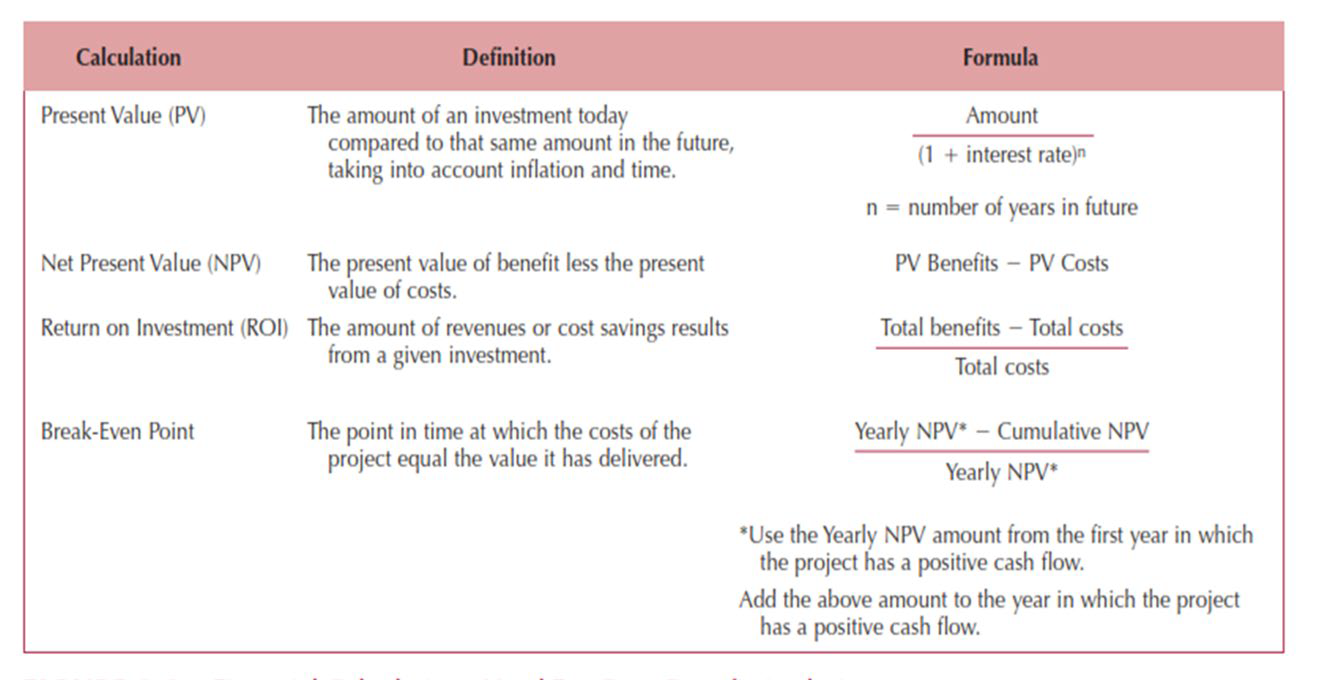
Economic feasibility, also known as cost-benefit analysis, helps determine if the project makes financial sense.
- Costs
Identify all costs associated with the project, including:- Development costs (hardware, software, personnel)
- Operational costs (maintenance, updates, support)
- Training costs
- Infrastructure costs
- Benefits
- Tangible Benefits
These can be measured in monetary values, like reduced operational costs or increased revenue - Intangible Benefits
These are harder to quantify but important, such as improved customer satisfaction or better employee morale
- Tangible Benefits
Organizational Feasibility: "Will They Use It?"
Organizational feasibility assesses whether the project will succeed within the organization's cultural and political environment.
- User Acceptance
Evaluate whether the intended users will embrace the new system. For example, if employees are comfortable with their current workflow, they might resist a new system that significantly changes their routine. - Strategic Alignment
Ensure the project aligns with the organization's goals and objectives. A project might be technically perfect and economically sound, but if it doesn't support the company's strategic direction, it may not be organizationally feasible. - Stakeholder Analysis
- Project Champions
Who will actively support and promote the project? - Management
Do we have support from key decision-makers? - End Users
How will the people who actually use the system react? - Other Stakeholders
Who else might be affected by the system?
- Project Champions